 blog
How to Choose a Food-Focused Luxury Travel Advisor
Quick Summary
To choose a food-focused luxury travel advisor, ask how they plan dining, wine and cooking experiences, how they secure reservations, and how they handle changes during the trip. Compare every provider on trip cost, advisory fee and included privileges, all in writing.
- Ask for sample day-by-day itineraries that name real restaurants and experiences, not generic dining.
- Ask how reservations are secured and what happens when a booking falls through.
- Confirm who you contact during the trip and how quickly they respond.
- Request a written fee breakdown separating trip cost from the advisory fee.
- Check whether privileges apply to the specific hotels on your itinerary.
Table of Contents
- Why Foodies Look Beyond Salt and Wind
- What Food-Focused Luxury Travel Advisors Actually Do
- How to Choose a Luxury Travel Advisor for a Culinary Trip
- Alternatives Compared by Traveler Type and Trip Purpose
- Building Custom Food and Wine Itineraries
- Culinary Vacation Planning: Costs, Fees and Privileges
- Booking Your First Food-Focused Trip With Prime Luxury Travel
- Frequently Asked Questions
Why Foodies Look Beyond Salt and Wind
Food lovers who want more than a standard tour have many options. Planning a trip around meals, markets and wine can take more than one path. Many people searching for alternatives want a different mix of access, pacing or privileges. Last Updated: November 21, 2026
This guide covers how to evaluate food-focused luxury travel advisors and where different options fit. A food-focused luxury trip is a journey built around restaurants, chefs, markets, cellars and cooking experiences, with logistics handled from start to finish. Choosing the right advisor shapes how much of that experience reaches the table.
What Food-Focused Luxury Travel Advisors Actually Do
A good advisor does far more than book flights and hotels. They translate your interests into a route and help plan the experiences you care about. Ask any advisor how they would handle the small problems that can disrupt a trip.
Watch out: an advisor who promises access to every sought-after table has overpromised. Ask how reservations are secured and what happens when a booking falls through.
How to Choose a Luxury Travel Advisor for a Culinary Trip
Start by asking how the advisor plans food experiences. Ask for specific examples of past itineraries built around dining, wine or cooking. Ask about their first-hand knowledge of the destinations you plan to visit.
Check how they handle changes, too. Food trips depend on timing, so a reliable advisor should explain how they rebook dinners and tastings when plans shift. Confirm who you contact during the trip and how quickly they respond.
Alternatives Compared by Traveler Type and Trip Purpose
Below is a practical comparison framework built around the traveler types foodies most often fall into. The point is not to crown one winner but to match the resource to the trip you are actually taking.
Independent and DIY Food Travelers
If you prefer to build your own itinerary, the alternatives to a curated travel brand are the research and booking tools that give you raw access rather than a packaged trip. Look for destination-specific market and restaurant guides, reservation platforms that cover the cities you are visiting, and culinary walking-tour operators you can book a la carte. The trade-off is time: you trade an advisor's curation for control and usually lower cost, but you own every rebooking when a restaurant closes or a market day shifts.
Luxury and Milestone Travelers
For couples, anniversaries, and multi-generational trips, the relevant alternatives are advisors and small-group operators that specialize in culinary itineraries. Compare them on three things: whether they secure reservations directly or through partners, whether they provide a single point of contact during the trip, and whether their sample itineraries show real named restaurants and experiences rather than generic "dining experiences." Many culinary advisors publish sample day-by-day itineraries; if a provider will not share one, treat that as a signal.
Cooking-Class and Skill-Seeking Travelers
The alternative to a general food-travel brand here is a specialist operator or a local cooking school with multi-day programs. Compare class size, whether instruction is hands-on or demonstration, market-visit components, and language of instruction. Ask for the instructor's background and whether the school provides recipes to take home; these details separate a genuine skills trip from a tourist activity.
Wine-Focused Travelers
Wine travelers should compare resources on cellar access, harvest-season timing, and whether the provider handles transport between wineries. The practical differentiator is logistics: tasting rooms in most wine regions are spread out, so a provider that bundles transport and appointments removes the biggest friction point. Confirm whether tastings are private or shared and whether fees are included in the quoted price.
Families With Mixed Tastes and Mobility Needs
Family food trips need an option that can coordinate several travelers with different palates and mobility levels. Compare providers on group-size experience, whether they can build in rest between long meals, and how they handle children's menus at fine-dining venues. Ask directly whether they have organized trips for groups of your size before, and request an example.
Watch out: a provider that claims access to every sought-after table has overpromised. Ask how reservations are actually secured and what happens when a booking falls through.
Building Custom Food and Wine Itineraries
A custom itinerary starts with your priorities: cuisine, regions, wine interests and daily rhythm. A common approach is to anchor each destination with one signature meal, then fill the days with markets, cellar visits and cooking sessions. Keep at least one unplanned afternoon, because the best local finds often happen by chance.
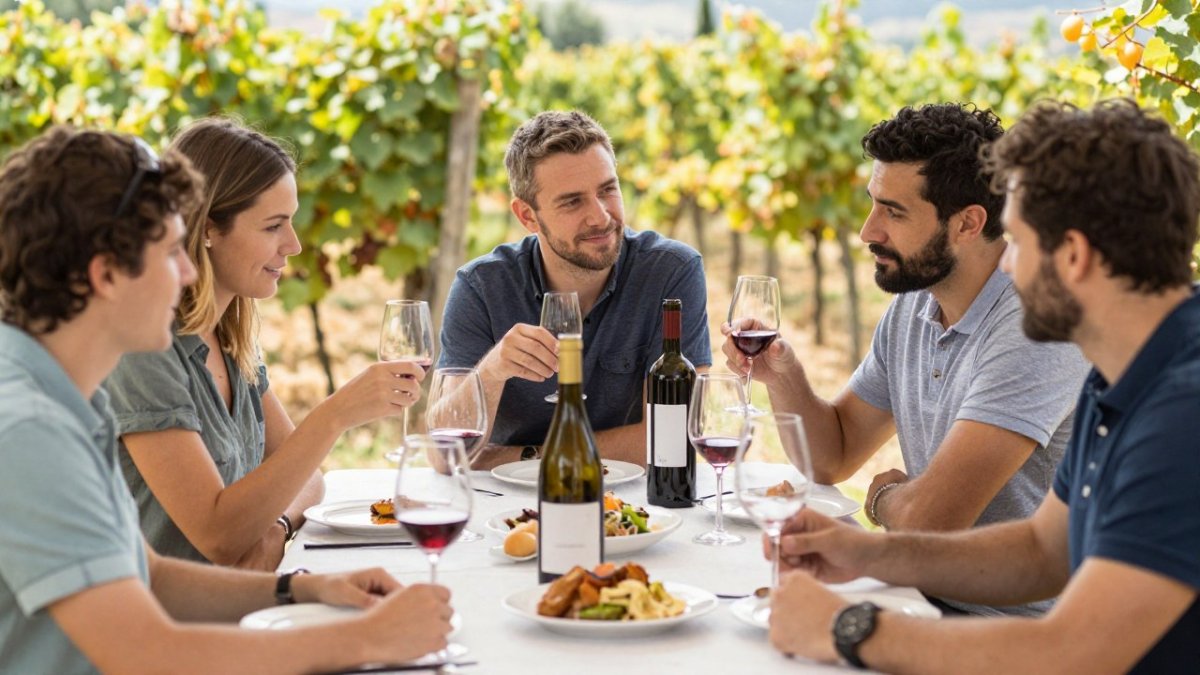
Prime Luxury Travel designs personalised itineraries tailored to your preferences, so you can discuss your interests with a dedicated advisor before committing to a route.
Culinary Vacation Planning: Costs, Fees and Privileges
Cost is where most food-travel comparisons fall apart, because providers quote in incompatible ways. The useful move is to normalize every option onto the same three lines: trip cost, advisory or service fee, and included privileges. Ask each provider to put those in writing before you compare.
The Three Cost Lines to Compare
First, the trip cost: flights, hotels, transfers, meals, and tastings. Second, the advisory or service fee: how it is calculated (flat fee, percentage of trip cost, or commission built into supplier pricing), whether it is refundable, and what it covers. Third, privileges: which hotel or restaurant benefits are included and whether they apply to the specific properties on your itinerary.
Fee Models in Plain Terms
Most culinary travel providers use one of three models. Ask any planner how they are paid, whether through supplier commissions, a flat fee or a percentage of trip cost, and whether recommendations are influenced by supplier relationships. None is inherently better; the question is whether the fee buys access and curation you could not get yourself.
Privileges: What to Actually Ask About
Ask for a written list of what privileges are included at your specific hotels, and confirm whether any benefits are guaranteed or subject to availability. Ask the advisor what the fallback is if a booking is unavailable.
A Practical Comparison Checklist
Before committing, request from each provider: a sample day-by-day itinerary with named venues, a written fee breakdown separating trip cost from advisory fees, a list of included privileges tied to your chosen properties, and a named contact for during-trip changes. Compare the responses side by side; the provider that answers all four clearly is usually the safer choice, regardless of headline price.
Watch out: a quote that folds the advisory fee into the trip cost without disclosing it makes comparison impossible. Ask for the fee as a separate line even if you ultimately pay one total.
The article breaks down the three cost lines to compare when weighing food-focused travel providers.
| Cost line | What it covers | Compare by |
|---|---|---|
| Trip cost | Flights, hotels, transfers, meals and tastings | Written breakdown from each provider |
| Advisory or service fee | Planner's fee for curation and planning | Calculation method and whether refundable |
| Privileges | Hotel and restaurant benefits included | Whether they apply to your chosen properties |
| Fee models | Supplier commissions, flat fee or percentage | Whether supplier relationships influence recommendations |
Booking Your First Food-Focused Trip With Prime Luxury Travel
When you are ready to plan, start by browsing the vacation packages from Prime Luxury Travel to see the kinds of trips the company currently offers. Bring a short list of must-try restaurants, regions and experiences, plus the names and ages of everyone travelling. A clear brief makes the first conversation with an advisor far more productive.
Prime Luxury Travel plans trips for couples, families and milestone celebrations. Call us today to discuss your travel plans and start building an itinerary around what matters most to you.
Frequently Asked Questions
Is it better to book a food trip through a travel advisor or plan it yourself?
A travel advisor is useful when the trip depends on reservations that are hard to secure alone, such as chef's tables, private cellar visits or market tours with local guides. Planning yourself works well for a simple city break with a few known restaurants. An advisor adds value when you have multiple travelers, limited time or a budget where a single missed booking would be costly. Ask any advisor which restaurants and experiences they book directly and which they only research, since that difference shows how much access they really have.
Can a luxury travel advisor plan a food-focused trip to Europe?
Yes. A food-focused European itinerary can combine regional cuisine, wine country visits, cooking classes and seasonal markets arranged around your dates and dietary needs. Prime Luxury Travel plans custom itineraries for couples, multi-generational families and milestone celebrations. Pricing depends on trip length, number of travelers, dates and accommodation level, so request a quote for your specific itinerary rather than relying on general estimates.
What should I compare when choosing a culinary travel planner?
Compare how each planner gets reservations, whether you get a single point of contact, how they handle problems during the trip and how they are paid. Ask for examples of food-focused itineraries they have built for travelers like you. Check whether their hotel privileges are described clearly, and whether their advice reflects firsthand knowledge of the destinations they recommend. Clear answers on these points matter more than a long list of destinations.
How do I choose a travel advisor for a culinary vacation?
Start with your trip purpose and group size, then match them to the advisor's experience. Someone planning a family food trip needs coordination skills across several households, while a couple celebrating an anniversary needs one or two standout dining experiences. Ask the advisor how they would structure your specific trip, how many food experiences they would include per day and what happens if a reservation falls through. A specific, unhurried answer is a good sign.